




Under-18 Training Schedule for Aspiring Pros
The pathway from Liverpool's academy to the first team is one of the most closely watched in world football, and for good reason. The club's Under-18 squad is the proving ground where raw talent meets structured development. If you're an aspiring professional or a parent of a young player, understanding the typical training schedule at this level can demystify what it takes to progress. This guide breaks down a composite week of training, based on common practices at elite academies like Liverpool's, focusing on the balance between technical work, physical conditioning, and tactical education.
Understanding the Weekly Rhythm
An Under-18 training schedule is not a fixed document; it evolves based on the match calendar, the individual needs of players, and the overarching philosophy of the coaching staff. However, a typical week in the season—with a Saturday match—follows a predictable pattern. The goal is to peak on matchday while allowing for recovery and targeted development. Below is a representative framework.
| Day | Focus | Typical Activities |
|---|---|---|
| Monday | Recovery & Low-Intensity Work | Active recovery, light jogging, stretching, pool work, video analysis of the previous match. |
| Tuesday | Technical & Possession | Small-sided games, passing drills, possession-based exercises, finishing work. |
| Wednesday | Tactical & Physical | Set-piece practice, defensive shape work, high-intensity interval running, strength and conditioning. |
| Thursday | Match Preparation | Opponent analysis, specific tactical drills, final team shape work, reduced intensity. |
| Friday | Pre-Match Activation | Light technical work, set-piece rehearsal, mental preparation, travel logistics. |
| Saturday | Match Day | Pre-match meal, team meeting, warm-up, match performance, post-match cool-down. |
| Sunday | Complete Rest or Active Recovery | Off day, or optional light stretching and pool work for those with minor niggles. |
Step 1: Prioritize Recovery on Monday
The day after a match is non-negotiable for recovery. This isn't a day off; it's a day of active regeneration. Players typically report to the training ground for a light session that includes low-impact cardio, such as cycling or pool work, followed by static stretching. The coaching staff will also conduct a video review session, where players watch key moments from the previous match. This is not about criticism but about learning—identifying positional mistakes, understanding why a certain pass was available, and reinforcing good habits. For an aspiring pro, this is as important as the physical work.
Step 2: Build Technical Foundations on Tuesday
Tuesday is the most technically demanding day. The focus is on ball mastery and small-sided games. Sessions are designed to maximize touches. You'll see drills that emphasize passing accuracy under pressure, first-touch control, and combination play. The philosophy here is that technical ability must be ingrained under match-like conditions. Coaches will use constrained games—like 4v4 or 5v5 on smaller pitches—to force quick decision-making. Finishing drills are often added later, but the core is about building a player's comfort with the ball in tight spaces.
Step 3: Integrate Tactical and Physical Work on Wednesday
Wednesday is the most intense day of the week. The morning session often splits into two components: tactical work and physical conditioning. Tactically, the team works on their shape, pressing triggers, and set-piece routines. This is where the coach's philosophy becomes clear—whether the team presses high or sits in a mid-block, how they build from the back, and how they defend crosses. The physical component is equally important. High-intensity interval running (HIIT) and strength work are common. This is not about bulking up but about building the engine required to sustain high performance for 90 minutes.
Step 4: Refine Match Preparation on Thursday
With the match two days away, Thursday is about sharpening the plan. The session is shorter and focused on the upcoming opponent. Coaches will show clips of the opposition's weaknesses—perhaps a slow centre-back or a full-back who doesn't track runs. The team then practices exploiting those weaknesses in a controlled, 11v11 setting. This is also when the starting eleven is usually finalized, though it's rarely communicated publicly. For a player on the fringe, this is the day to impress with focus and execution.
Step 5: Activate and Mentally Prepare on Friday
Friday is a light day. The session is a "pre-activation," meaning it's designed to wake up the body without exhausting it. Players perform dynamic stretches, light passing patterns, and a few set-piece routines. Mental preparation is key. Some players use visualization techniques; others prefer a quiet walk around the training ground. The coaching staff will also have a brief team meeting to confirm travel arrangements, matchday timings, and individual roles. The message is simple: be ready.
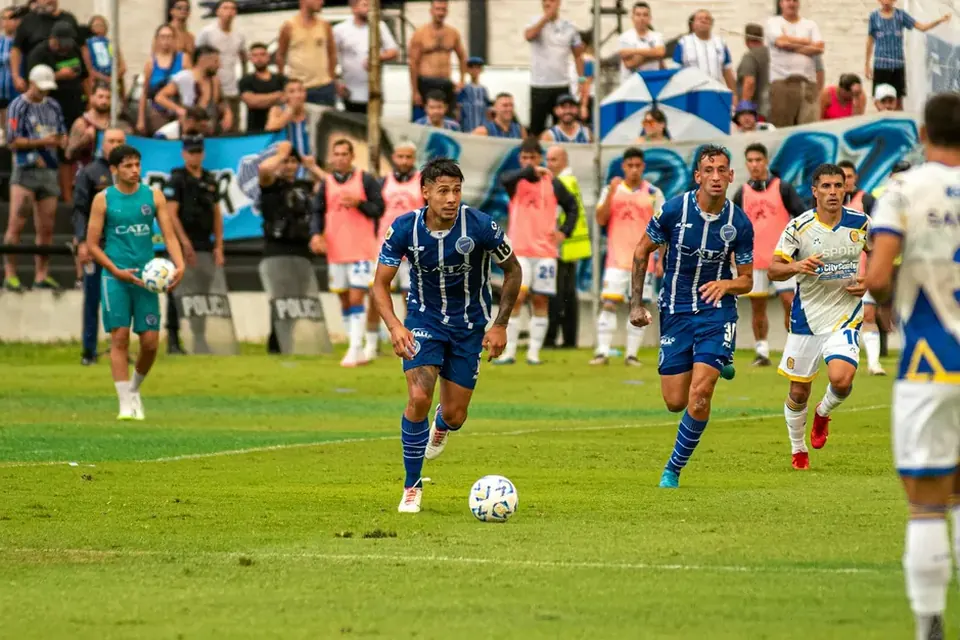
Step 6: Execute on Match Day
Match day is the culmination of the week's work. The routine is standard: a team meal three hours before kick-off, a tactical briefing, and a structured warm-up. The focus during the match is on executing the game plan. After the final whistle, there's a cool-down and a brief debrief. Coaches will note a few key points but save the detailed analysis for Monday. For an aspiring pro, match day is the only time the performance truly counts in the eyes of the first-team scouts. Consistency here is what separates the academy player from the professional.
The Role of Individual Development
While the group schedule is important, elite academies like Liverpool's place a heavy emphasis on individual development plans. Each player has a coach who tracks their progress against specific metrics—pass completion, distance covered, duel success rate. Extra sessions are often scheduled for players who need to work on a weak foot, improve aerial ability, or refine their defensive positioning. This is where the aspiring pro must take ownership. Asking for extra work, arriving early, and staying late are signs of the mentality required to progress.
The Transition to U21 and First Team
The Under-18 schedule is a stepping stone. As players approach their final year at this level, they are gradually integrated into the U21 setup, which follows a similar but more demanding schedule. The intensity increases, the tactical complexity deepens, and the physical demands become more pronounced. For some, this leads to first-team training sessions, where the pace and decision-making are on another level. For others, it's a reality check. The key is to treat every session as an opportunity.
If you want to understand how the academy structure supports this journey, our article on youth academy squad depth provides a deeper look at the pipeline. For those interested in the historical context of player development, our piece on top 10 academy midfielders ever offers a retrospective. And if you're looking for a broader framework on scouting potential, the guide on how to identify future stars is a valuable resource.
Summary
The Under-18 training schedule is a carefully calibrated system designed to produce professionals. It balances recovery, technical work, tactical education, and physical conditioning. For an aspiring pro, the schedule is not a burden but a blueprint. Success comes from embracing each phase—the recovery day as a chance to learn, the technical day as a chance to improve, and match day as a chance to prove it. The path is demanding, but for those who follow it with discipline, the reward is a career at the highest level.
Reader Comments (0)