



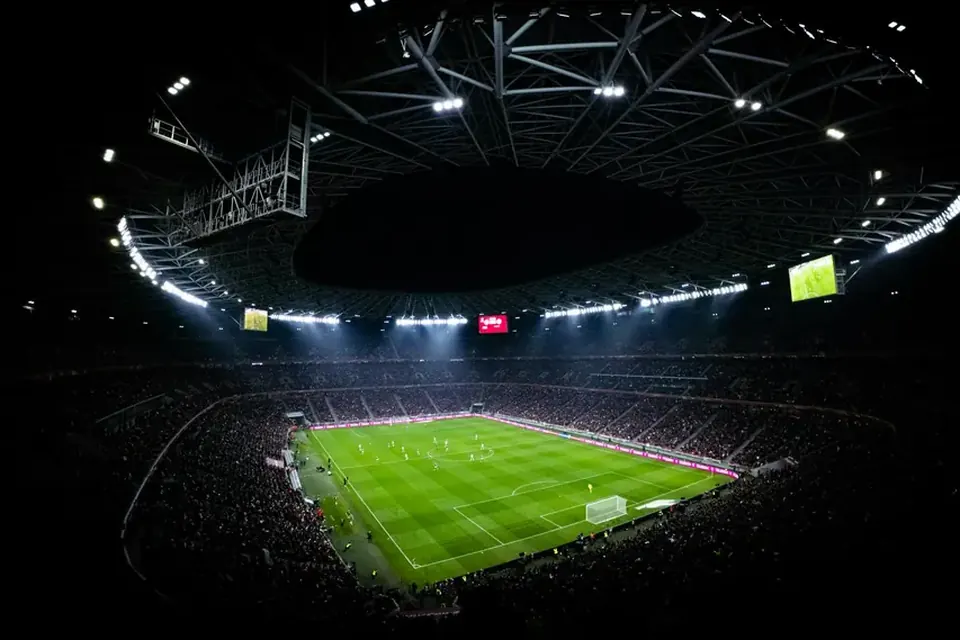
Under-18 Match Preview: Assessing the Next Generation at Anfield
The Under-18 Premier League campaign offers a crucial window into the developmental trajectory of Liverpool FC’s academy prospects. For a club that has historically prided itself on integrating homegrown talent into the first-team squad, these fixtures are far more than mere youth competitions. They represent the first tangible test of a player’s potential to navigate the demands of professional football within the Liverpool tactical system. This preview examines the upcoming fixture through the lens of squad composition, tactical alignment, and individual player progression, drawing upon the broader context of the club’s youth development pipeline as detailed in our analysis of the academy recruitment pipeline.
Squad Composition and Tactical Alignment
The current Under-18 group reflects a deliberate shift toward technical proficiency and positional versatility, hallmarks of the modern Liverpool tactical system. The squad is built around formations commonly used in youth football, such as a 4-3-3 or 4-2-3-1, which align with the senior side’s flexible structure. This alignment is not incidental; it is the product of a coordinated effort between the academy coaching staff and the Liverpool head coach’s office to ensure that players transitioning to the first-team squad encounter minimal tactical disruption.
Key positional groups within the Under-18 setup include:
- Goalkeepers: Two primary shot-stoppers who have rotated throughout the season, with one demonstrating superior distribution under pressure—a critical attribute for a team that builds from the back.
- Defenders: A backline that has shown consistency in the central pairing, though full-back positions have seen rotation due to injury and international call-ups. The left-back role has been particularly competitive, with two players vying for minutes.
- Midfielders: The engine room features a blend of a deep-lying playmaker and two box-to-box runners. The midfield trio’s ability to maintain possession under high pressing has been a focus area in training.
- Forwards: The attacking line is led by a central striker who has been prolific in the current campaign, supported by wide players who are comfortable cutting inside onto their stronger foot.
Opponent Analysis and Strategic Considerations
The upcoming opponent presents a distinct tactical challenge. Based on general scouting observations, they favour a high-pressing, transitional style that aims to disrupt build-up play and exploit spaces behind the full-backs. This approach has yielded mixed results against teams that can bypass the press through quick vertical passes.
Strengths and Weaknesses of the Opponent
| Aspect | Observation |
|---|---|
| Pressing Intensity | High; they commit multiple players forward to win the ball in the final third. |
| Transition Vulnerability | Susceptible to counter-attacks when the press is broken, particularly through central channels. |
| Set-Piece Defence | Inconsistent; they have conceded goals from corners and free-kicks in recent matches. |
| Wide Attack | Strong crossing ability from both flanks, with full-backs overlapping frequently. |
Liverpool’s Under-18 side must therefore focus on two key tactical adjustments: first, ensuring that the midfield pivot is positioned to receive the ball under pressure and turn quickly; second, instructing the wide forwards to stay high and wide to stretch the opponent’s defensive line when possession is regained. The ability to execute these adjustments will largely determine the outcome of the fixture.
Individual Player Spotlight: Emerging Talents
While the match is a collective effort, certain individuals warrant closer observation due to their potential progression to the first-team squad. One midfielder, in particular, has drawn attention for his composure on the ball and range of passing. He has been deployed in a deep midfield role, tasked with dictating tempo and initiating attacks. His passing accuracy and decision-making under pressure have been notable, though his defensive positioning remains an area for refinement.
Another player to watch is the left-back, who has shown a willingness to overlap and deliver crosses into the box. His attacking contributions have been a feature of recent matches, but he must improve his one-on-one defending against quicker wingers. The academy coaching staff have been working with him on lateral movement and anticipation drills.

For a broader perspective on how emerging talents are identified and nurtured, explore our analysis of the academy scouting network.
Risk Factors and Potential Setbacks
No youth match preview would be complete without acknowledging the inherent unpredictability of this level of football. Several risk factors could influence the outcome:
- Injury and Fitness: The Under-18 squad has experienced some minor injuries this season, particularly among midfielders. Any late withdrawals could disrupt the tactical plan, especially if key players are unavailable.
- International Duty: Call-ups to youth national teams can deplete the squad at short notice. This has been a recurring issue, with several players recently representing their countries at various youth levels.
- Weather Conditions: The match is scheduled for late afternoon in mid-winter, meaning pitch conditions could be heavy and visibility reduced. Such conditions favour a more direct style of play, which may not align with Liverpool’s preferred possession-based approach.
- Psychological Pressure: The presence of first-team coaching staff at youth matches is common, but it can create additional pressure on young players to perform. Managing this expectation is part of the developmental process.
Tactical Projection and Key Battles
Based on recent performances, the match is likely to be decided in the midfield zone. Liverpool’s ability to retain possession and progress the ball through the thirds will be tested by the opponent’s aggressive pressing. The key battle will be between Liverpool’s deep-lying midfielder and the opponent’s forward who drops off to press. If Liverpool can bypass this press with a single pass into the attacking midfield zone, they will create numerical advantages in the final third.
Defensively, the full-backs must be alert to the opponent’s overlapping runs. The wide forwards will be expected to track back and provide cover, which could limit their attacking output. This trade-off is a common feature of matches against high-pressing teams.
Conclusion: A Developmental Benchmark
This Under-18 fixture represents more than a league match; it is a developmental benchmark for the players and a test of the academy’s alignment with the first-team philosophy. A victory would be welcome, but the primary objective remains the individual and collective growth of the squad. The performance under pressure, the execution of tactical instructions, and the ability to adapt to an opponent’s strengths will provide valuable data for the coaching staff.
As the season progresses, the integration of these young players into the first-team squad will depend on their consistency in matches like this one. For now, all eyes at Anfield will be on the next generation, watching closely for signs of the talent that may one day grace the senior side.
Reader Comments (0)