




Set Piece Specialists
Corner Kick Delivery
The ability to deliver a consistent, dangerous corner kick is a specialized skill within the Liverpool squad. A set piece specialist must possess the technical precision to place the ball into specific zones—near post, far post, or the penalty spot—while accounting for defensive positioning and goalkeeper movement. The delivery itself is only part of the equation; the specialist must also read the movement of teammates and anticipate how the opposition will defend the set piece. Liverpool’s tactical approach to corners often involves short variations to disrupt defensive organization or direct deliveries aimed at specific aerial threats. The effectiveness of a corner kick specialist is measured not just by goals scored directly from the delivery, but by the number of clear chances created and the pressure exerted on the opposing defense.
Free Kick Taker
A free kick taker in the Liverpool setup is responsible for converting direct and indirect free kicks into scoring opportunities. This role demands a combination of technique, composure, and situational awareness. For direct free kicks within shooting range, the specialist must master curve, dip, and power to beat the wall and goalkeeper. For indirect free kicks or those from wider positions, the focus shifts to delivery and creating chaos in the box. Liverpool’s free kick takers are typically among the most technically gifted players in the squad, often possessing the ability to bend the ball around the wall or drive it low under the jumping defenders. The selection of who takes a free kick depends on the angle, distance, and match situation, with the specialist expected to make a rapid decision based on the defensive setup.
Dead Ball Situations
Dead ball situations encompass all restarts from free kicks, corners, throw-ins, and goal kicks where the ball is stationary. Liverpool’s approach to these moments is highly structured, with pre-rehearsed routines designed to exploit defensive weaknesses. The dead ball specialist must understand the tactical intent behind each routine—whether it is to create a direct shot, a headed chance, or a second-phase opportunity. This role extends beyond the taker to include the movement of attackers and the positioning of blockers and decoys. Effective management of dead ball situations can significantly increase a team’s goal output, as these moments often provide the highest probability of scoring outside open play. Liverpool’s coaching staff dedicate considerable training time to refining these routines, making the dead ball specialist a crucial component of the overall tactical plan.
Direct Free Kick
A direct free kick is awarded for certain fouls and allows the kicker to score directly from the restart without the ball touching another player. Liverpool’s direct free kick specialists are typically players with a proven track record of accuracy and power from range. The technique required involves striking the ball with the instep or inside of the foot to generate spin and trajectory that can deceive the goalkeeper. The specialist must also consider the wall’s height, the goalkeeper’s positioning, and the distance to goal. While not every direct free kick results in a goal, the threat of a direct shot forces defenses to set up more cautiously, creating space for alternative options such as a pass or a driven cross. The rarity of direct free kick goals in the Premier League underscores the difficulty of this skill, making a reliable specialist a valuable asset.
Indirect Free Kick
An indirect free kick requires the ball to touch another player before a goal can be scored, making it a more tactical restart than a direct free kick. Liverpool’s approach to indirect free kicks often involves short passes to create a better angle or a more favorable shooting position. The specialist delivering the kick must coordinate with teammates to ensure the ball is played to the correct spot, whether for a volley, header, or a quick layoff. These situations are common inside the penalty area for technical infractions like a backpass or dangerous play, and they demand precise execution to avoid wasting the opportunity. The indirect free kick specialist must also be aware of the defensive organization, as teams often pack the box to block shots and clear the ball.
Short Corner
A short corner is a variation where the ball is played to a teammate close to the corner flag rather than directly into the penalty area. Liverpool uses short corners to disrupt the defensive shape, draw defenders out of the box, and create space for a subsequent delivery or a shot. The specialist taking the short corner must have good close control and passing accuracy to execute the routine effectively. The success of a short corner depends on the timing of the run, the weight of the pass, and the subsequent decision to cross, drive into the box, or recycle possession. This tactic is particularly effective against teams that commit many players to defend the initial delivery, as it forces them to readjust and can lead to disorganization.
Near Post Delivery
The near post delivery is a corner or free kick aimed at the front of the goal area, typically targeting a player making a run toward the near post. This delivery requires precision, as the ball must be placed with enough pace to beat the first defender but not so high that it sails over the target. Liverpool’s near post routines often involve a flick-on or a direct header aimed at goal. The specialist delivering the ball must judge the flight path to account for the goalkeeper’s positioning and the defensive line. A well-executed near post delivery can catch the defense off guard, especially if the attacking player wins the initial contact.
Far Post Delivery
The far post delivery is aimed at the back of the goal area, where Liverpool’s taller or more athletic players can attack the ball with a header or volley. This type of delivery requires the specialist to float or drive the ball over the crowded near post area to reach the far post zone. The timing of the delivery is crucial, as the attacking players must time their runs to arrive at the ball before the defenders. Liverpool’s far post routines often involve multiple players making runs to create confusion and increase the chances of a clean contact. The specialist must also consider the goalkeeper’s starting position, as a ball placed too close to the far post can be easily collected.
Penalty Taker
The penalty taker is the player designated to convert spot kicks during open play. This role requires immense mental fortitude, as penalties are high-pressure situations where the specialist is expected to score. Liverpool’s penalty takers typically have a consistent technique, often favoring a specific side or a stutter-step approach to deceive the goalkeeper. The specialist must also study the goalkeeper’s tendencies and adapt their strategy accordingly. While penalties are statistically the highest-probability scoring opportunity, the pressure of the moment can lead to mistakes, making the mental resilience of the taker as important as their technical ability. Liverpool’s penalty takers are usually among the most composed players in the squad, often with a history of successful conversions.
Set Piece Coach
The set piece coach is a member of Liverpool’s backroom staff responsible for designing and implementing routines for corners, free kicks, throw-ins, and other dead ball situations. This specialist analyzes opposition tendencies, identifies weaknesses in defensive organization, and develops training drills to improve execution. The set piece coach works closely with the players to refine delivery techniques and movement patterns, ensuring that each routine is rehearsed to a high standard. The effectiveness of a set piece coach is measured by the team’s conversion rate from dead balls and the overall threat posed during these moments. Liverpool’s investment in a dedicated set piece coach reflects the modern understanding that set pieces can be a decisive factor in tight matches.
Aerial Threat
An aerial threat is a player who poses a significant danger in the air during set pieces, typically due to height, jumping ability, and heading accuracy. Liverpool’s aerial threats are often central defenders, strikers, or tall midfielders who can win headers in the penalty area. The role of an aerial threat is to attack the ball at its highest point, directing it toward goal or into dangerous areas. The specialist must time their run to arrive at the delivery point before the defender, using their body to shield the ball and create space. A team with multiple aerial threats can overload the defense, making it difficult to mark all dangerous players. The effectiveness of an aerial threat is enhanced by precise delivery from the set piece specialist.
Blocking and Screening
Blocking and screening are tactical techniques used during set pieces to impede defenders and create space for the attacking player. Liverpool’s set piece routines often include designated blockers who position themselves in front of defenders, preventing them from reaching the ball or tracking the intended target. Screening involves a player standing in the goalkeeper’s line of sight or moving to block their view of the ball. These actions must be executed within the laws of the game, as overly aggressive blocking can result in a foul. The specialist responsible for blocking must be strong, aware of the referee’s positioning, and capable of holding their ground without drawing attention. Effective blocking and screening can be the difference between a routine clearance and a clear chance on goal.
Second Ball Recovery
Second ball recovery refers to the ability to win possession of the ball after an initial set piece delivery is cleared or deflected. Liverpool’s set piece specialists and midfielders are often tasked with anticipating the trajectory of the cleared ball and positioning themselves to win the second ball. This phase of play is crucial, as it can lead to a second attack or a shot from distance. The specialist must read the flight of the ball, react quickly to the clearance, and have the technical ability to control or strike the ball under pressure. Teams that are effective at second ball recovery often create more sustained pressure and scoring opportunities from set pieces.
Zonal Marking vs Man Marking
Zonal marking and man marking are two primary defensive strategies employed against set pieces. In zonal marking, defenders are assigned specific areas of the penalty area to protect, while in man marking, each defender is responsible for a specific opponent. Liverpool’s set piece specialists must understand both systems to exploit their weaknesses. Against zonal marking, the specialist may target the seams between zones or deliver the ball to a player making a run into an unoccupied area. Against man marking, the focus is on creating mismatches through movement and blocking. The choice of defensive system influences how the set piece specialist approaches the delivery and the movement of attacking players.
Near Post Flick-On
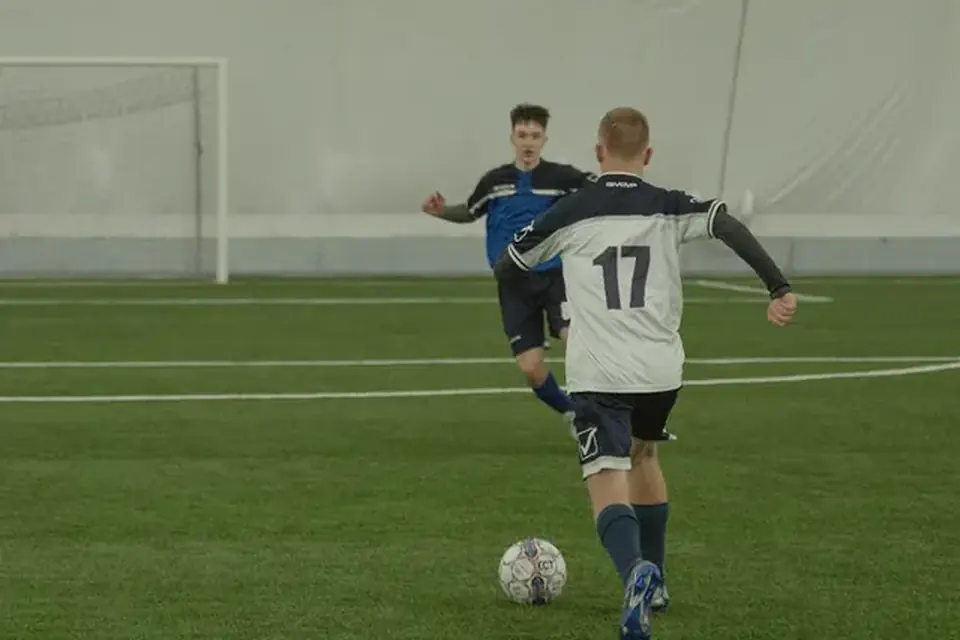
A near post flick-on is a set piece routine where a player at the near post redirects the ball with a header or touch toward the far post or the center of the goal. Liverpool uses this technique to create confusion and generate scoring chances from corners or free kicks. The specialist delivering the ball must aim for the flick-on player’s head or feet, with the pace and trajectory adjusted to allow for a clean contact. The flick-on player must have good timing and awareness to direct the ball into a dangerous area. This routine is particularly effective against defenses that commit heavily to the near post, as the flick-on can bypass the first line of defense.
Short Free Kick
A short free kick is a variation where the ball is played to a teammate close to the spot of the foul, often to create a better angle for a cross or a shot. Liverpool uses short free kicks to draw defenders out of position and exploit the space left behind. The specialist taking the short free kick must have quick decision-making and accurate passing to execute the routine effectively. The success of a short free kick depends on the timing of the run and the ability of the receiving player to control the ball under pressure. This tactic is commonly used in wide areas or near the penalty box when a direct shot is not feasible.
Driven Delivery
A driven delivery is a set piece struck with power and low trajectory, aimed at beating the first defender and reaching a target in the box. Liverpool’s set piece specialists use driven deliveries to create chaos in the penalty area, as the ball moves quickly and can deflect off players into the goal. This technique requires precise striking to keep the ball below head height and on target. The driven delivery is often used for corners or free kicks when the specialist wants to avoid the goalkeeper collecting the ball. The risk of a driven delivery is that it can be easily cleared if not aimed accurately, but the reward is a high probability of a deflection or a shot on goal.
Floating Delivery
A floating delivery is a set piece struck with loft and spin, allowing the ball to hang in the air and drop into the penalty area. Liverpool uses floating deliveries to target taller players or to create uncertainty for the goalkeeper, as the ball’s trajectory is difficult to judge. The specialist must apply backspin or sidespin to achieve the desired flight path, often aiming for the far post or the penalty spot. Floating deliveries are effective against defenses that rely on zonal marking, as the ball’s trajectory can bypass the first line of defense. However, they require precise timing from the attacking players to meet the ball at its highest point.
In-Swinging Corner
An in-swinging corner is a delivery that curves toward the goal, making it difficult for the goalkeeper to come off their line and for defenders to clear. Liverpool’s set piece specialists use in-swinging corners to target the near post or the six-yard box, where a slight touch can result in a goal. The ball’s inward trajectory can also cause confusion among defenders, as it may appear to be heading for the goalkeeper but then swerve away. The specialist must strike the ball with the inside of the foot to generate the necessary spin. In-swinging corners are particularly effective when combined with a near post run or a flick-on.
Out-Swinging Corner
An out-swinging corner is a delivery that curves away from the goal, making it easier for the attacking players to attack the ball with a header or volley. Liverpool uses out-swinging corners to target the far post or the penalty spot, where players can run onto the ball with momentum. The specialist must strike the ball with the outside of the foot to generate the outward curve. Out-swinging corners are often preferred when the attacking team has strong aerial threats, as the ball moves away from the goalkeeper and toward the attackers. The risk is that the ball can be easily cleared if not delivered with enough pace or accuracy.
Set Piece Routine
A set piece routine is a pre-planned sequence of movements and deliveries designed to create a scoring opportunity from a dead ball situation. Liverpool’s set piece specialists and coaching staff develop routines for corners, free kicks, and throw-ins, often tailored to the opposition’s defensive weaknesses. Each routine involves specific roles for the taker, blockers, runners, and shooters, with the goal of creating space or confusion. The effectiveness of a routine depends on the execution of each player and the ability to adapt to the defensive response. Liverpool’s set piece routines are rehearsed extensively in training to ensure consistency and precision under match conditions.
Decoy Run
A decoy run is a movement made by an attacking player to draw defenders away from the intended target of a set piece. Liverpool uses decoy runs to create space for the primary attacker, often by having a player run toward the near post while the delivery goes to the far post. The decoy runner must sell the movement convincingly to occupy the defender’s attention. The set piece specialist must be aware of the decoy’s timing to ensure the delivery reaches the intended target. Effective decoy runs can disrupt the defensive organization and create mismatches in the penalty area.
Goalkeeper Positioning
Goalkeeper positioning during set pieces is a critical factor in both defending and attacking dead balls. Liverpool’s goalkeepers must read the delivery and decide whether to come off their line to collect the ball or stay on the goal line to protect the net. The set piece specialist delivering the ball must consider the goalkeeper’s starting position and tendencies. A goalkeeper who is aggressive may be vulnerable to a floating delivery over their head, while a goalkeeper who stays on the line may be beaten by a driven ball to the far post. Understanding the goalkeeper’s positioning is essential for the specialist to choose the correct delivery type.
Set Piece Conversion Rate
The set piece conversion rate is the percentage of set pieces that result in a goal. Liverpool’s set piece specialists are evaluated on this metric, as it reflects the effectiveness of their delivery and the team’s routines. A high conversion rate indicates that the specialist is consistently creating scoring opportunities from dead balls. Factors influencing the conversion rate include the quality of delivery, the movement of attackers, and the defensive organization of the opposition. While not every set piece can result in a goal, a specialist with a high conversion rate is a significant asset to the team.
What to Check When Evaluating a Set Piece Specialist
When assessing a set piece specialist, consider their consistency in delivery, the variety of techniques they employ, and their ability to adapt to different match situations. Look for a history of creating clear chances from corners and free kicks, as well as a low rate of wasted deliveries that result in easy clearances. The specialist’s understanding of team routines and their communication with teammates are also important factors. A reliable set piece specialist is one who can be trusted to execute under pressure and contribute to the team’s overall goal output.
For further reading on player attributes, see the player profiles and ratings section, explore the mental toughness assessment for understanding composure in high-pressure moments, and review the captaincy legacy for leadership qualities that complement set piece execution.
Reader Comments (0)