

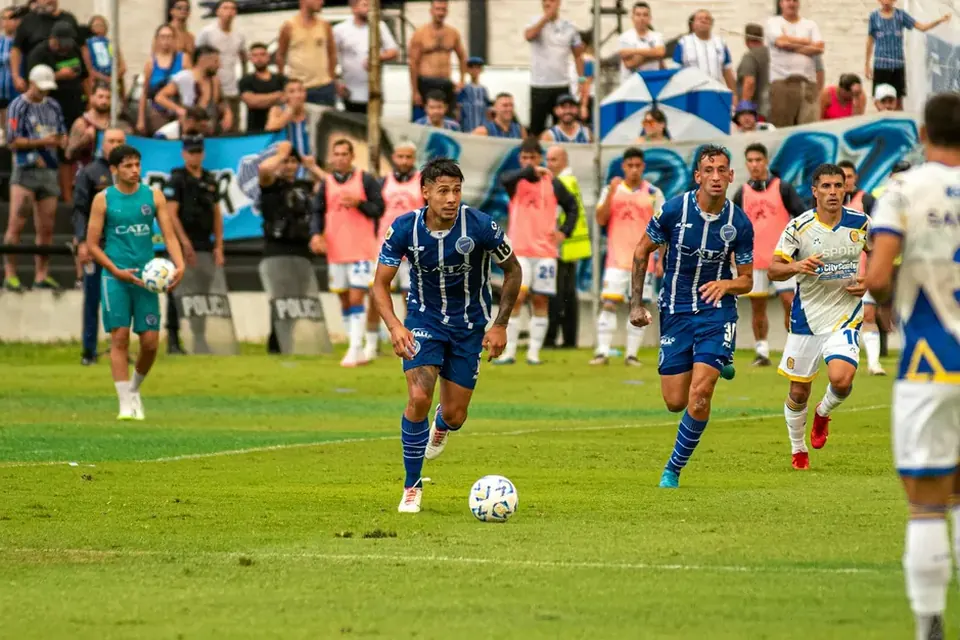
Pressing Triggers from Goal Kicks
The modern game has evolved to a point where the restart of play from a goal kick is no longer a mere formality but a critical phase of tactical engagement. For a side like Liverpool, whose identity under the current head coach is built on relentless high pressing and vertical transitions, the ability to trigger an effective press from the opponent’s goal kick is a non-negotiable component of their match plan. However, when the system misfires—when the coordination is off, the triggers are missed, or the opposition’s structure outsmarts the press—the result can be a disjointed defensive shape that leaves gaping spaces in the middle third. This troubleshooting guide is designed for the analytical supporter who watches the Reds and sees the press break down, but cannot quite diagnose why. We will dissect the common pressing triggers from goal kicks, identify the root causes of failure, and offer step-by-step corrective measures, while clearly delineating when the issue is a systemic problem requiring the coaching staff’s intervention versus a mere in-game execution error.
Understanding the Primary Trigger: The Short Pass to the Full-Back
The most obvious and frequently discussed pressing trigger in Liverpool’s system is the short goal kick. When the opposition goalkeeper plays a five- or ten-yard pass to a centre-back, or more critically, to the full-back who has dropped deep into the box, the Reds’ forward line is trained to initiate a coordinated squeeze. The trigger here is not just the pass itself, but the direction of the pass. A pass that goes laterally or backwards, rather than vertically up the pitch, signals that the opposition is inviting pressure. The first step in troubleshooting a failed press is to watch whether Liverpool’s front three—or the lead striker in a 4-3-3—are correctly reading this cue.
Common Problem: The striker presses the centre-back who receives the ball, but the supporting winger on that side fails to step up to the full-back in time. This creates a “ghost” lane where the goalkeeper can play a second pass to the opposite full-back, bypassing the press entirely.
Step-by-Step Solution:
- Identify the Ball-Side Winger: The winger on the side of the goal kick must immediately move to cover the opposition full-back. If the ball is played to the right centre-back, the Liverpool left winger should be sprinting to close down the left-back.
- The Striker’s Angle: The striker must not run in a straight line at the ball. They should curve their run to cut off the passing lane back to the goalkeeper, forcing the centre-back to play the ball wide to the full-back.
- The Midfield Trap: The nearest Liverpool central midfielder (typically the number 8 on that side) must step up to cover the opposition’s central midfielder who drops to receive the ball. If this is missed, the full-back can play a simple pass to the midfielder in space, breaking the press.
The “Bait” Trigger: The Goalkeeper’s Body Language
A more subtle trigger, and one that separates the elite pressing sides from the good ones, is the goalkeeper’s body language during the goal kick. A goalkeeper who stands upright with the ball in their hands, scanning the field for a long pass, is not a pressing trigger. However, a goalkeeper who places the ball down, takes two steps back, and then looks to play a short pass—especially if they look at a specific full-back—is a clear invitation to press. Liverpool’s forwards are trained to read these micro-cues. The troubleshooting here often involves the forward’s decision to commit or not commit.
Common Problem: The striker hesitates because the goalkeeper fakes a long kick, causing the forward to slow down. By the time the short pass is played, the forward is too far away to apply pressure, and the opposition centre-back has all the time in the world to pick a pass.
Step-by-Step Solution:
- Pre-Kick Positioning: The striker should be positioned at the edge of the D, not inside the box. This gives them a two-second window to react to the goalkeeper’s decision.
- The “False Sprint”: The forward should take one or two aggressive steps forward as the goalkeeper places the ball. This forces the opposition’s defenders to hesitate in their own passing decisions.
- Commitment to the Trigger: Once the goalkeeper’s body opens to the side (indicating a short pass), the forward must commit fully. Half-hearted pressing is worse than no pressing at all, as it leaves a player out of the defensive structure.
The “Overload” Trigger: When the Opposition Uses a Three-Back Structure
Many modern sides use a 3-4-3 or 3-5-2 formation, which means they have three centre-backs and two wing-backs during a goal kick. This creates a numerical overload in the first line of build-up: three defenders plus the goalkeeper versus Liverpool’s two or three forwards. The pressing trigger here is not just the first pass, but the second pass. The goal is to force the opposition into a predictable pattern where the ball goes to a wing-back, who is then isolated against Liverpool’s pressing winger.
Common Problem: Liverpool’s two forwards press the three centre-backs, but the third centre-back is always free to receive the ball. This allows the opposition to play a simple pass around the press, creating a 3v2 situation in their favour.

Step-by-Step Solution:
- The “Zonal” Press: Instead of man-for-man pressing, Liverpool’s forwards should press the central centre-back and one of the side centre-backs, leaving the third centre-back free but forcing the pass to go wide.
- The Wing-Back Trap: The Liverpool full-back on that side must step up to press the opposition wing-back the moment the ball is played to the free centre-back. This creates a 1v1 duel on the touchline.
- Midfield Support: The Liverpool midfielder on the ball side must drop to cover the space vacated by the full-back, preventing the opposition from playing a through ball into that channel.
The “Goalkeeper as a Sweeper” Trigger: The Long Ball Counter-Press
A less common but increasingly relevant trigger is the goalkeeper’s decision to play a long ball after the press has been triggered. Liverpool’s press is designed to force the opposition goalkeeper into a rushed long kick, which the Reds’ defenders can then win in the air. The trigger here is the goalkeeper’s wind-up time. If the goalkeeper takes more than four seconds to kick the ball after placing it down, the press should be fully committed.
Common Problem: Liverpool’s defenders win the first header from the long goal kick, but the second ball is not collected. This is a failure of the counter-press, not the initial press.
Step-by-Step Solution:
- Anticipation of the Second Ball: The Liverpool midfielders must read the flight of the ball and position themselves for the knockdown. This requires one midfielder to step into the space where the ball will land, not where it is currently.
- Full-Back Recovery: The full-backs must immediately retreat to their defensive line, as a lost second ball often leads to a counter-attack from the opposition’s midfield.
- The “Stall” Tactic: If the goalkeeper is taking too long, the striker can momentarily retreat to the halfway line to show they are not pressing, which often forces the goalkeeper to play a long ball anyway, but without the pressure of a sprint.
Troubleshooting the Press: A Diagnostic Table
To help the analytical fan quickly diagnose a breakdown in the pressing trigger from goal kicks, the following table summarises the most common symptoms, their likely root causes, and the appropriate corrective action.
| Symptom | Likely Root Cause | Immediate Correction | Specialist Intervention Required? |
|---|---|---|---|
| Opposition full-back has time to turn and pass forward | Winger pressing too deep or too late | Winger must start higher and sprint earlier | Yes, if the winger’s starting position is consistently wrong |
| Striker is bypassed by a short pass to the opposite side | Striker’s pressing angle is too narrow | Curve the run to block the pass to the goalkeeper | No, a simple in-game adjustment |
| Opposition plays through a central midfielder | Midfielder not stepping up to cover | Nearest number 8 must close the gap | Yes, if the structure of the midfield is wrong |
| Goalkeeper baits the press and plays long over the top | Forward’s commitment is too early | Wait for the short pass to be played, not the look | Yes, a tactical adjustment from the head coach |
| First header won, but second ball lost | Midfield not reading the flight of the ball | One midfielder must commit to the landing zone | Yes, requires set-piece and transition training |
Conclusion: The Press is a Collective Responsibility
The pressing trigger from a goal kick is not the responsibility of a single player; it is a chain reaction that involves the striker, the wingers, the midfielders, and the full-backs. When it works, it is a thing of beauty—a coordinated surge that suffocates the opposition in their own third and creates high-quality scoring chances. When it fails, it leaves Liverpool exposed to counter-attacks and possession-based build-up from the opposition.
For the fan watching at home or from The Kop, the key is to watch the non-ball players. The success of the press is determined not by the player chasing the ball, but by the players who are blocking passing lanes, covering spaces, and anticipating the second ball. If you see a breakdown, ask yourself: was the winger too slow? Was the midfielder too deep? Was the striker’s angle wrong? Most of these issues are correctable within a match, but some—particularly those involving structural mismatches against specific formations—require the specialist eye of the coaching staff.
For further reading on how Liverpool’s off-ball movement creates these pressing opportunities, see our guide on off-ball movement in attack. To understand how the press is often a precursor to creating overloads in wide areas, read our analysis of overloads in wide areas. And for a broader overview of the tactical system that governs these triggers, visit our match analysis and tactics hub.


Reader Comments (0)