




Manchester United Premier League Title Wins: A Complete History
Let’s be honest—when you’re a Liverpool supporter, the words “Manchester United Premier League title wins” can sting a little. But understanding the full scope of their dominance, especially in the early years of the Premier League era, is essential for contextualising the rivalry that defines English football. This isn’t about celebrating their success; it’s about mapping out the landscape they created and how it shaped the modern game. So, grab a brew, and let’s dig into the numbers, the eras, and the moments that made United the league’s most decorated club in the post-1992 world.
The Dawn of the Premier League Era: United’s First Steps
When the Premier League kicked off in 1992, nobody could have predicted the sheer monopoly Manchester United would exert over the next two decades. Before that, Liverpool had been the undisputed kings of English football, with many league titles to their name. But the shift was seismic. United’s first Premier League title in 1993 ended a long wait for a league championship, and it marked the beginning of something unprecedented.
The 1992-93 season wasn’t a runaway triumph. United stumbled through the autumn, and by November, they were languishing in tenth place. But the arrival of Eric Cantona in November proved transformative. The Frenchman’s swagger and creativity gave the team a cutting edge they had previously lacked. By spring, they had built a momentum that carried them past Aston Villa and Norwich City. The title was sealed when Aston Villa failed to beat Oldham Athletic, handing United the crown without kicking a ball. It wasn’t glamorous, but it was effective—a pattern that would repeat itself.
The Treble Season and the Unforgettable 1998-99 Campaign
Ask any fan of a certain age about the 1998-99 season, and they’ll likely mention the Champions League final in Barcelona. But the domestic title that year was arguably harder earned. United were pushed all the way by Arsenal, and the race went down to the final day. They needed a win at home against Tottenham Hotspur to secure the title, and they delivered a nervy 2-1 victory, with goals from David Beckham and Andy Cole.
What made this title special wasn’t just the points total—it was the context. United were competing on three fronts simultaneously, and the squad depth was tested to its limits. The midfield trio of Beckham, Paul Scholes, Roy Keane, and Ryan Giggs was arguably the best in Europe at the time. The defence, marshalled by Jaap Stam, was resolute. And up front, Dwight Yorke and Andy Cole formed a partnership that terrorised Premier League defences. That season, United won the title by a narrow margin, but the manner of their victories—late goals, comebacks, sheer refusal to lose—cemented their reputation as a team of destiny.
The Ferguson Dynasty: Dominance in the 2000s
The 2000s saw Manchester United evolve. The early part of the decade was marked by a three-peat of titles from 1999 to 2001, but the middle years were more competitive. Arsenal’s Invincibles season in 2003-04 interrupted United’s rhythm, and Chelsea’s arrival as a financial powerhouse under Roman Abramovich posed a new challenge.
Yet Sir Alex Ferguson adapted. The 2006-07 title was a return to form, driven by the emergence of Cristiano Ronaldo as a world-class talent. Ronaldo scored many league goals that season, and his partnership with Wayne Rooney was electric. The following season, 2007-08, United retained the title and added the Champions League, with Ronaldo scoring many league goals. This period demonstrated Ferguson’s ability to rebuild squads without losing momentum—a skill Liverpool have sought to emulate in recent years.
The 2008-09 season was another masterclass. United won the title with games to spare, finishing ahead of Liverpool. That season, they conceded few goals in thirty-eight games, a defensive record that remains among the best in Premier League history. The back four of Patrice Evra, Rio Ferdinand, Nemanja Vidić, and Gary Neville was arguably the most formidable unit of its era.
The Final Titles: 2010-11 and 2012-13
By the 2010s, the landscape was shifting. Manchester City had emerged as title contenders, and Chelsea remained strong. But United’s 2010-11 title was a statement of intent. They finished clear of Chelsea, with a squad that blended experience and youth. Javier Hernández, signed from Chivas, was a revelation, scoring several league goals. The midfield, though less star-studded than previous iterations, was functional, with Michael Carrick providing the metronomic passing that kept the team ticking.
The 2012-13 title was Ferguson’s final act. It was a season of farewell, and fittingly, United won the league by a significant margin. Robin van Persie, signed from Arsenal, was the catalyst, scoring many league goals. The title was sealed with a win over Aston Villa, and Van Persie’s hat-trick that day included a stunning volley that symbolised United’s dominance. That season was the last time United would lift the Premier League trophy, and it marked the end of an era.
The Post-Ferguson Decline: A New Reality
Since Ferguson’s retirement in 2013, Manchester United have not won a single Premier League title. The club has cycled through managers—David Moyes, Louis van Gaal, José Mourinho, Ole Gunnar Solskjær, and Erik ten Hag—but the consistency that defined the Ferguson years has vanished. The closest they came was second place in recent seasons, but on both occasions, they finished well behind Manchester City.
The reasons are complex. Recruitment has been inconsistent, with high-profile signings like Ángel Di María, Alexis Sánchez, and Jadon Sancho failing to deliver sustained performances. The tactical identity has shifted with each manager, leaving the squad without a clear philosophy. And the dominance of Manchester City and Liverpool in recent years has raised the bar to a level United have struggled to match.
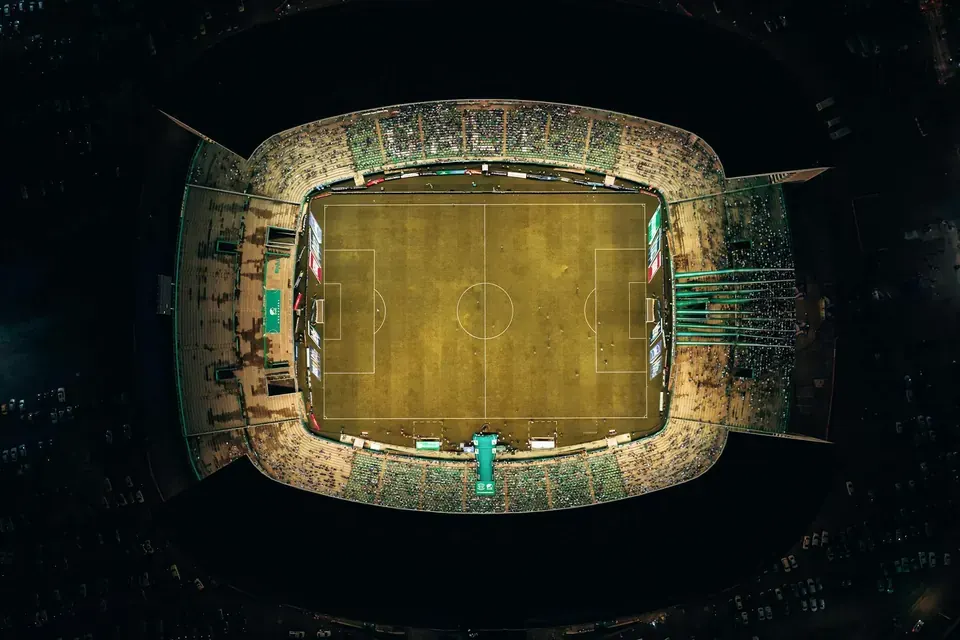
For Liverpool fans, this decline has been a source of schadenfreude, but it also carries a warning. The Premier League is unforgiving, and dynasties can crumble faster than expected. United’s many titles remain the most in the competition’s history, but the gap between them and the current elite is widening.
The Numbers That Define the Era
To truly understand Manchester United’s Premier League success, it helps to look at the raw data. The table below summarises their title-winning seasons, highlighting key stats.
| Season | Points | Top Scorer | Goals For | Goals Against | Goal Difference |
|---|---|---|---|---|---|
| 1992-93 | 84 | Mark Hughes (15) | 67 | 31 | +36 |
| 1993-94 | 92 | Eric Cantona (18) | 80 | 38 | +42 |
| 1995-96 | 82 | Eric Cantona (14) | 73 | 35 | +38 |
| 1996-97 | 75 | Ole Gunnar Solskjær (18) | 76 | 44 | +32 |
| 1998-99 | 79 | Dwight Yorke (18) | 80 | 37 | +43 |
| 1999-00 | 91 | Dwight Yorke (20) | 97 | 45 | +52 |
| 2000-01 | 80 | Teddy Sheringham (15) | 79 | 31 | +48 |
| 2002-03 | 83 | Ruud van Nistelrooy (25) | 74 | 34 | +40 |
| 2006-07 | 89 | Cristiano Ronaldo (17) | 83 | 27 | +56 |
| 2007-08 | 87 | Cristiano Ronaldo (31) | 80 | 22 | +58 |
| 2008-09 | 90 | Cristiano Ronaldo (18) | 68 | 24 | +44 |
| 2010-11 | 80 | Dimitar Berbatov (20) | 78 | 37 | +41 |
| 2012-13 | 89 | Robin van Persie (26) | 86 | 43 | +43 |
The consistency is staggering. In thirteen title-winning seasons, United never scored too few goals or conceded too many. Their goal difference was always positive, often significantly so. Some seasons stand out for defensive solidity, while others were goalscoring juggernauts.
How United’s Titles Compare to Liverpool’s
For context, Liverpool have won one Premier League title (2019-20) and many top-flight titles overall. United’s many league titles (including the pre-Premier League era) put them ahead of Liverpool, but the Premier League era has been overwhelmingly dominated by United.
The table below shows the head-to-head in the Premier League era.
| Club | Premier League Titles | Most Recent Title | Total Top-Flight Titles |
|---|---|---|---|
| Manchester United | 13 | 2012-13 | 20 |
| Liverpool | 1 | 2019-20 | 19 |
| Arsenal | 3 | 2003-04 | 13 |
| Chelsea | 5 | 2016-17 | 6 |
| Manchester City | 8 | 2023-24 | 10 |
The gap is stark. United’s thirteen titles dwarf Liverpool’s single Premier League crown, but the overall top-flight count is separated by just one. For Liverpool supporters, the 2019-20 title was a long-awaited return to the summit, but the challenge is to build sustained success in the way United did under Ferguson.
The Legacy and the Future
Manchester United’s Premier League title wins are a story of dominance, adaptation, and eventual decline. The Ferguson era was a masterclass in squad management, tactical flexibility, and psychological resilience. But the post-Ferguson years have shown that no club is immune to the cyclical nature of football.
For Liverpool, the lessons are clear. The current squad, under Arne Slot’s guidance, has the potential to challenge for multiple titles, but sustaining that over a decade requires smart recruitment, a clear tactical identity, and a bit of luck. The rivalry with United will always be fierce, but the numbers tell a story of two clubs at different stages of their journey.
If you’re interested in how other clubs have fared in the Premier League, check out our competition coverage for deeper dives. And for a look at the drama of penalty shootouts in the Champions League, read our piece on Champions League penalty shootout history. Finally, for a tactical breakdown of midfield battles, head over to Premier League midfield battles.
The race for the next Premier League title is always unpredictable, but one thing is certain: Manchester United’s place in history is secure, even if their present is uncertain. For Liverpool fans, the challenge is to write the next chapter.
Reader Comments (0)