



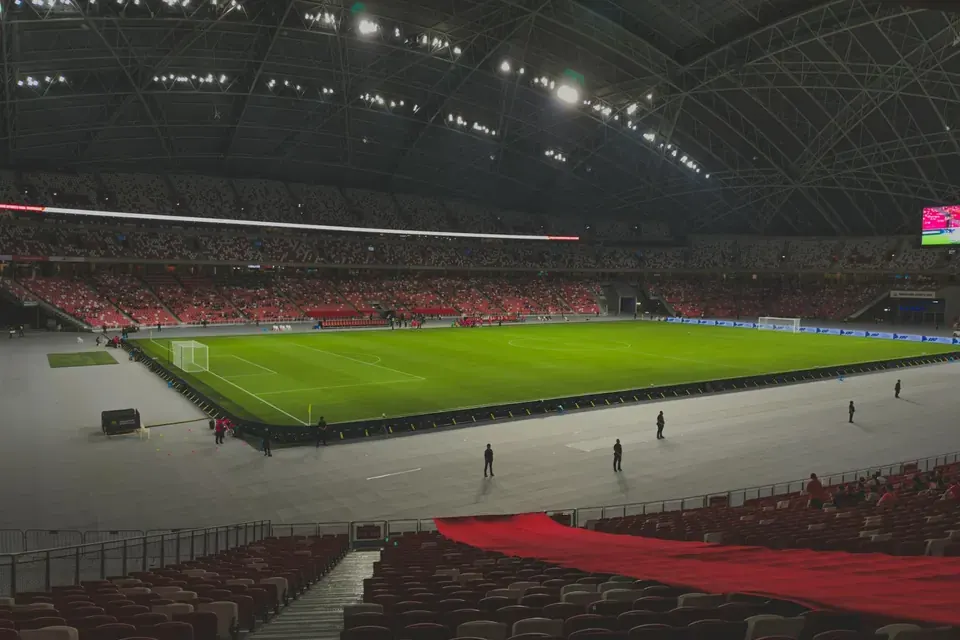
Manchester United Captains: A Legacy of Leadership
You have to hand it to Manchester United—when it comes to producing leaders who define eras, the club’s captaincy lineage reads like a hall of fame roll call. From the stoic defenders of the Busby era to the midfield generals of the modern game, the armband at Old Trafford has never been merely a piece of fabric. It’s a statement of intent, a burden of expectation, and often the difference between a team that chokes and one that climbs mountains. For a Liverpool fan site like ours, there’s a certain grudging respect in watching how United’s captains have shaped the Premier League landscape, even if we’d rather see the armband gathering dust in a trophy cabinet at Anfield. But let’s be honest—understanding your rival’s spine makes you appreciate your own club’s heartbeat all the more.
The Armband Through the Decades
The role of Manchester United captain has evolved dramatically since the club’s early days. In the post-war period, captains were often the senior professionals who commanded respect through sheer longevity and grit. Players like Johnny Carey, who led United to the 1948 FA Cup, set a standard for quiet authority. But it was the Busby Babes era that truly crystallised the captaincy as a symbol of the club’s identity. Roger Byrne, the full-back who captained the team before the Munich air disaster, embodied the fearless, attacking spirit that would become United’s trademark. His loss in 1958 was not just a personal tragedy—it ripped the leadership core out of a team on the verge of greatness.
The modern era of United captains really began with Bryan Robson, a player whose nickname “Captain Marvel” wasn’t just marketing fluff. Robson led by example, charging into tackles, scoring crucial goals, and dragging his teammates through matches when they looked beaten. His tenure spanned a period of transition, including the early Sir Alex Ferguson years when the foundations of future dominance were laid. Robson’s leadership was visceral—you could see it in the way he demanded the ball when United were under pressure, and in the way he celebrated every goal like it was his last.
The Ferguson Era: A Factory of Leaders
Under Sir Alex Ferguson, the captaincy became a carefully managed tool of squad psychology. Ferguson didn’t just pick the best player; he picked the player who could enforce his standards in the dressing room when the manager wasn’t around. This is why Steve Bruce, a centre-back with a thunderous header and an even louder voice, wore the armband after Robson. Bruce wasn’t the most technically gifted, but he was the kind of leader who would organise the defence, shout at midfielders who weren’t tracking back, and occasionally score a last-minute winner that left opposition fans in stunned silence.
Then came Eric Cantona, a captain who led through mystique rather than volume. Cantona’s collar-up, chest-out posture communicated more than any pre-match speech ever could. He embodied the arrogance that United needed to finally knock Liverpool “off their perch,” as Ferguson famously put it. But Cantona’s captaincy was relatively brief, and it was Roy Keane who truly defined the armband for a generation. Keane was the midfield enforcer who could dominate a game with a single tackle, a pointed glare, or a verbal dressing-down that left teammates shrinking into their boots. His leadership was uncompromising, sometimes to a fault, but it produced a relentless winning machine.
The Modern Captaincy Conundrum
The post-Ferguson era has seen the captaincy become a topic of near-constant debate among United fans. Gary Neville, a one-club man who bled red, took the armband for a brief period, but his influence was more about consistency than inspiration. Then came Nemanja Vidić, a defender whose warrior mentality and willingness to put his head where others wouldn’t put their boots made him a natural leader. Vidić’s partnership with Rio Ferdinand was a key part of United’s Champions League triumph, and his captaincy reflected that no-nonsense, Eastern European steel.
Wayne Rooney’s captaincy was a curious case. Here was a player who had been the talisman for years, but by the time he officially took the armband in 2014, his best years were arguably behind him. Rooney led more through effort than inspiration, and the team’s decline during his tenure wasn’t entirely his fault, but it highlighted how the captaincy alone couldn’t fix structural problems. The armband had become a symbol of past glories rather than a driver of future success.
Current Leadership and the Road Ahead
As of the 2024-2025 season, Manchester United’s captaincy situation reflects the club’s broader search for identity. Bruno Fernandes, the Portuguese playmaker, has worn the armband with a mix of creative brilliance and occasional frustration. His leadership style is vocal, demanding, and sometimes theatrical—he’s the kind of captain who will wave his arms at teammates, argue with referees, and take responsibility for set pieces. But questions remain about whether his emotional style can steady a ship that has been rocked by ownership uncertainty and managerial changes.

The supporting leadership group, including players like Harry Maguire (who previously captained the side) and Casemiro, offers a blend of experience and authority. Maguire’s tenure as captain was marked by intense scrutiny, and his demotion from the role was a clear signal that the club is still searching for the right figurehead. The key question for United fans is whether the next permanent captain will emerge from the current squad or arrive through the transfer window.
Comparing Captaincy Styles Across Eras
| Era | Captain | Leadership Style | Key Achievement |
|---|---|---|---|
| Busby Era | Roger Byrne | Quiet authority, tactical intelligence | Leading Busby Babes to league titles |
| 1980s-90s | Bryan Robson | Inspirational, all-action, vocal | FA Cup wins, early Ferguson foundation |
| 1990s-2000s | Roy Keane | Enforcer, uncompromising, demanding | Treble-winning season |
| 2010s | Nemanja Vidić | Warrior mentality, defensive solidity | Champions League triumph, multiple league titles |
| Current | Bruno Fernandes | Creative, emotional, vocal | FA Cup win, European final appearances |
The Weight of the Armband: Risks and Realities
Wearing the Manchester United captaincy comes with unique pressures. The global fanbase expects nothing less than relentless success, and the media scrutiny is intense. Captains who fail to deliver—or who are perceived as weak—face a level of criticism that can damage their confidence and, by extension, their performances. The armband can be a blessing or a curse, depending on the individual’s mental resilience.
There’s also the risk of the captaincy becoming a political tool, used by managers to send messages to the dressing room or to the board. When Ferguson dropped Keane in the mid-2000s after a controversial interview, it was a calculated move that showed the manager’s authority trumped any individual’s status. Similarly, the decision to rotate captains or strip the armband from players like Maguire can create uncertainty within the squad. For Liverpool fans watching from across the Mersey, there’s a certain irony in seeing United struggle with leadership continuity while clubs like Liverpool have enjoyed stable captaincy from Steven Gerrard and Jordan Henderson.
What Makes a Great Manchester United Captain?
Looking at the club’s history, certain traits recur among the most successful captains. First, there’s an unshakeable belief in the club’s identity—a sense that playing for United is not just a job but a calling. Second, the ability to perform under pressure, especially in big matches where the armband demands extra responsibility. Third, the capacity to unify a dressing room that often contains big egos and international stars. Finally, a willingness to be the lightning rod for criticism, protecting younger players and taking the heat when things go wrong.
For United’s next captain, whoever it may be, the challenge is to bridge the gap between the club’s glorious past and an uncertain future. The armband isn’t just a piece of history—it’s a promise to the fans that the standards set by Robson, Keane, and Vidić will be upheld. Whether Bruno Fernandes or another leader can carry that weight remains to be seen, but one thing is certain: the legacy of Manchester United captains will continue to be written, chapter by chapter, on the pitch at Old Trafford.
For more insights into how squad dynamics and leadership structures play out across the Premier League, check out our analysis of premier-league-squad-rotation-strategy and the current state of manchester-united-squad-2024-2025. And if you’re curious about how other clubs build their leadership cores, our competition-coverage hub has you covered.
Reader Comments (0)