

Glossary of Youth Development Phases
Academy Intake
The Academy Intake refers to the annual group of young players who join a club's youth system at various age levels. For clubs operating Category One academies, this process typically begins at a young age, though some clubs identify talent even earlier through pre-academy development centers. Players may join through scouted trials, local school partnerships, or open trials held by the club. The intake process involves technical assessments, character evaluation, and medical checks before formal registration. Once admitted, players enter a structured pathway that progresses through age-group teams, with regular reviews determining whether they continue to the next phase.
Pre-Academy (Foundation Phase)
The Pre-Academy or Foundation Phase covers the earliest stage of formal youth development, typically spanning ages 6 to 11. At this level, the emphasis is on fundamental movement skills, basic technical abilities, and fostering a love for the game. Training sessions are designed to be playful and exploratory rather than competitive, with small-sided games dominating the curriculum. Coaches focus on individual development rather than team results, encouraging creativity and decision-making in low-pressure environments. Players in this phase train several times per week and may play matches against other academy sides, but competitive league structures do not apply until later stages.
Under-9 to Under-11 (Early Development)
The Under-9 to Under-11 age groups represent the early development phase within most Category One academies. During these years, players begin to receive more structured coaching while still maintaining a play-centered approach. Technical work emphasizes ball mastery, passing fundamentals, and spatial awareness. Coaches introduce basic tactical concepts such as positioning and simple patterns of play, but the primary goal remains individual skill acquisition. Players at this stage are evaluated on their potential rather than current performance, with scouts and academy staff monitoring progress through informal observations and internal matches. The ratio of training to matches heavily favors training.
Under-12 to Under-14 (Mid-Development)
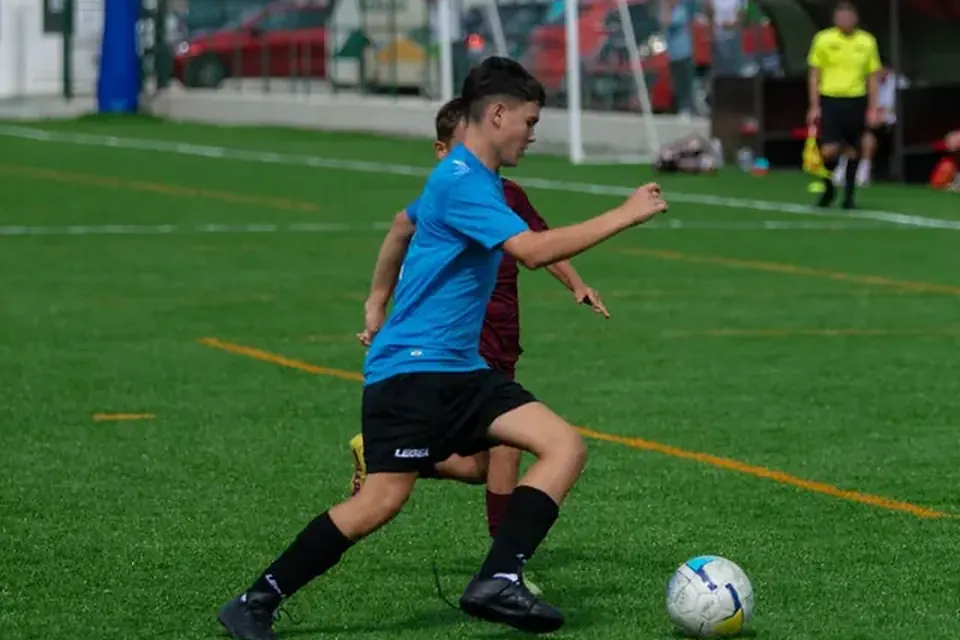
The Under-12 to Under-14 age groups mark a significant transition in youth development. During this phase, players move from 7-a-side or 9-a-side formats to 11-a-side football, requiring adjustments in positioning, stamina, and tactical understanding. The training load increases, with more emphasis on physical conditioning, technical repetition, and team-oriented drills. Coaches begin to introduce position-specific training, though players are still encouraged to experience multiple roles to develop a well-rounded understanding of the game. This period is often when clubs make their first major selection decisions, as players who do not meet progression standards may be released. The psychological demands also increase, as young athletes navigate competition, setbacks, and the pressure of academy life.
Under-15 to Under-16 (Youth Development Phase)
The Youth Development Phase, covering Under-15 and Under-16 age groups, is a critical period for talent identification and refinement. Players at this stage train intensively, often multiple days per week, with a blend of technical, tactical, physical, and psychological components. The curriculum becomes more game-specific, with detailed analysis of match footage, opposition scouting, and set-piece work. Coaches expect players to demonstrate greater tactical awareness, decision-making speed, and positional discipline. This phase also includes formal education support, as players balance football commitments with academic studies through the club's partnered schools or college programs. Schoolboy contracts are typically offered to the most promising players, securing their registration with the club while they complete their compulsory education.
Under-17 to Under-18 (Scholarship Phase)
The Scholarship Phase begins at Under-17 or Under-18 level, when players sign their first formal contract with the club—known as a scholarship in the English system. This two-year program combines full-time football training with academic or vocational education, often through a BTEC or A-Level pathway. Players train daily with the club's professional coaching staff and compete in the U18 Premier League, FA Youth Cup, and various cup competitions. The intensity and expectation levels rise significantly, as this phase serves as the final proving ground before potential professional contracts. Coaches assess not only technical and tactical abilities but also resilience, work rate, and adaptability. Players who demonstrate consistent performance and professional attitude may be offered professional terms at the end of their scholarship.
Under-19 to Under-21 (Professional Development Phase)
The Professional Development Phase, covering Under-19 to Under-21 age groups, represents the bridge between academy football and the first team. Players in this phase are typically on professional contracts and train regularly with the senior squad while also competing in the Premier League 2 or equivalent reserve league. The training schedule mirrors the first team's structure, with emphasis on tactical periodization, recovery protocols, and match preparation. Coaches focus on refining decision-making, game management, and positional intelligence. This phase also includes loan opportunities, where young players gain senior experience at lower-league clubs or in foreign leagues. The goal is to produce players ready for first-team football, whether at the parent club or elsewhere in professional football.
Trialist
A trialist is a player invited to train or play with an academy or reserve team on a temporary basis to assess their suitability for a permanent place. Trials may last from a few days to several weeks, depending on the club's evaluation process. Players typically trial after being scouted from other clubs, released from rival academies, or identified through regional talent identification programs. During the trial period, coaches evaluate technical ability, physical attributes, tactical understanding, and character. Successful trialists may be offered a place in the academy intake, a scholarship, or a professional contract, depending on their age and potential.
Schoolboy Contract
A schoolboy contract is a formal registration agreement between a club and a player under the age of 16, typically from Under-9 to Under-16 level. This contract allows the club to access the player's registration while the player continues their compulsory education. Schoolboy contracts are non-binding in the sense that players or their families can choose to leave the club at the end of each season, though clubs receive compensation if the player moves to another academy. The contract covers training schedules, match commitments, and education arrangements, ensuring the player's welfare is prioritized alongside football development.
Scholarship Contract
A scholarship contract is a two-year agreement offered to players aged 16 to 18, marking the transition from schoolboy to full-time academy player. This contract combines football training with educational qualifications, typically through a BTEC Level 3 Diploma in Sport or equivalent. Scholarship players receive compensation and support services as part of their agreement, including access to the club's medical, nutritional, and psychological resources. The scholarship is the final stage before professional terms; players who do not secure a professional contract at the end of their scholarship are released to find opportunities elsewhere.
Professional Contract
A professional contract is the formal employment agreement that moves a player from academy status to full-time professional footballer. These contracts are typically offered to players aged 17 or older who have demonstrated the technical, physical, and mental attributes required for senior football. Professional contracts vary in length, often with options for extensions based on performance. Players on professional contracts are eligible for first-team selection, though many continue to play for the reserve or U21 team while developing. The contract includes salary, bonuses, image rights, and termination clauses, all negotiated through representatives or family advisors.

Loan System
The loan system allows young players to gain competitive experience at other clubs while remaining under contract with their parent club. Loans can be short-term or season-long, and may involve lower-league clubs, foreign teams, or fellow Premier League sides. The purpose is to expose young players to senior football in a competitive environment, developing their physical robustness, tactical understanding, and mental resilience. Clubs often include clauses in loan agreements regarding playing time, position, and recall options. Successful loan spells can accelerate a player's development and increase their chances of breaking into the first team upon return.
Development Squad
The Development Squad, often referred to as the U21 or Reserve team, serves as the intermediate step between the academy and the first team. This squad consists of players who have graduated from the U18 level but are not yet regular first-team contributors. The Development Squad competes in Premier League 2 or equivalent competitions, with matches designed to test players against high-level opposition while allowing them to refine their skills. Training sessions are often integrated with the first team, and players may be called up for senior matches as substitutes or squad members. The Development Squad also includes senior players returning from injury or needing match fitness.
First-Team Integration
First-Team Integration refers to the process by which academy graduates transition into the senior squad. This process typically begins with training sessions alongside first-team players, followed by inclusion in matchday squads for cup competitions or less critical league fixtures. Coaches monitor the player's adaptation to the speed, physicality, and tactical demands of senior football. Integration may be gradual, with players making substitute appearances before starting matches, or more accelerated for exceptional talents. The club's coaching staff, sports scientists, and psychologists work together to support the player's transition, managing expectations and workload to prevent burnout.
Academy Philosophy
Academy Philosophy encompasses the guiding principles, playing style, and developmental approach that a club applies across all age groups. For clubs with a strong youth tradition, the philosophy emphasizes technical excellence, tactical intelligence, and alignment with the first team's playing style. The philosophy influences coaching methods, recruitment criteria, and performance metrics. A consistent philosophy ensures that players moving through the system are familiar with the expectations and patterns of play required at senior level. Clubs often document their philosophy in coaching manuals and communicate it to parents, players, and staff to maintain alignment across the organization.
Category One Academy
Category One Academy is the highest accreditation level in the English Elite Player Performance Plan (EPPP), awarded to clubs meeting stringent criteria in facilities, coaching, education, and welfare. Category One status requires full-time coaching staff, indoor training facilities, medical support, and a structured education program. Clubs with Category One academies have access to a wider geographic recruitment area and can sign players from lower-category academies with compensation. The EPPP system aims to improve the quality and quantity of homegrown players in English football by standardizing academy provision across the country.
Elite Player Performance Plan (EPPP)
The Elite Player Performance Plan is the governing framework for youth development in English professional football, introduced in 2011. The EPPP categorizes academies based on their facilities, staffing, and investment. The plan establishes minimum standards for coaching ratios, training hours, education support, and welfare provisions. It also governs the transfer of young players between academies, with a compensation system designed to reward clubs that invest in development. The EPPP has been credited with improving academy standards but also criticized for allowing larger clubs to poach talent from smaller academies with lower compensation fees.
Youth Cup
The Youth Cup, officially the FA Youth Cup, is the premier knockout competition for U18 teams in English football. The competition provides a national platform for young players to showcase their talents in high-stakes matches. Many future stars have emerged from Youth Cup-winning teams, and the competition is often used by clubs to test their most promising academy graduates against elite opposition. For young players, a strong Youth Cup performance can accelerate their pathway to the first team.
Academy Graduates
Academy Graduates are players who have progressed through a club's youth system and made at least one first-team appearance for that club. The term distinguishes players developed within the club's own system from those signed from other clubs as established professionals. Clubs take pride in their academy graduates, often highlighting them in marketing materials and community outreach programs. The number of academy graduates in a first-team squad is sometimes used as a measure of the academy's success, though the quality of those graduates matters more than the quantity. Graduates who go on to have successful careers, whether at their parent club or elsewhere, validate the academy's developmental approach.
Release and Transition Support
Release and Transition Support refers to the assistance clubs provide to young players who are not offered continued contracts at the end of a development phase. This support may include career counseling, educational guidance, and help finding opportunities at other clubs or in non-football careers. Clubs operating Category One academies are required to provide transition support as part of their EPPP obligations. The process can be emotionally challenging for young players and their families, and effective support can make a significant difference in their ability to move forward positively.
What to Verify When Researching Youth Development
When evaluating claims about a club's youth development system, consider the following points. Check official club websites and academy documentation for accurate information on age-group structures, contract types, and development phases. For statistics on academy graduates and progression rates, consult reputable football analytics sources or official league reports. Be aware that specific contract terms, salary figures, and transfer compensation amounts are often confidential and should not be cited without verified sources. For comparisons between clubs' academy philosophies, review public statements from club officials and coaching staff. For further reading on academy structures and player pathways, see our guide on youth academy squad depth, the Manchester United academy philosophy, and an explanation of how youth players make the first team.


Reader Comments (0)