



Defensive Milestones
Clean Sheet
A clean sheet is recorded when a team completes a full match without conceding a goal. For Liverpool FC, clean sheets are a key metric for evaluating defensive solidity under any tactical system. The achievement reflects coordinated work from the backline, midfield pressing, and goalkeeping. Clean sheets are tracked across all competitions, with particular significance in Premier League and Champions League contexts.Shutout
A shutout is synonymous with a clean sheet, though the term is more common in North American sports contexts. In football analysis, it is used interchangeably to describe a match where the opposition fails to score. Liverpool’s defensive records often reference shutout streaks at Anfield, where the crowd and familiarity with the pitch contribute to defensive organization.Goal Conceded
A goal conceded occurs when the opposing team scores against Liverpool. This statistic is the inverse of a clean sheet and is used to measure defensive vulnerability. Goals conceded are analyzed per match, per season, and per competition to assess the effectiveness of Liverpool defenders and goalkeepers. A low goals-conceded average is a hallmark of title-winning campaigns.Defensive Solidity
Defensive solidity refers to the overall structural reliability of a team’s defensive unit. For Liverpool, this involves the coordination between the back four or three, the midfield shield, and the goalkeeper’s positioning. Solidity is measured not only by goals conceded but also by the number of chances allowed and the organization during set pieces.Pressing Intensity
Pressing intensity is a tactical metric that measures how aggressively a team applies pressure to regain possession after losing the ball. Under Liverpool’s system, pressing intensity is a defining characteristic of the team’s approach. High pressing from Liverpool forwards and midfielders aims to force errors high up the pitch, reducing the burden on Liverpool defenders.Gegenpressing
Gegenpressing, or counter-pressing, is a tactic where a team immediately attempts to win back the ball after losing it, rather than retreating into a defensive shape. Liverpool has employed gegenpressing as a core principle, particularly during periods of high tactical intensity. This approach requires exceptional fitness and coordination from the entire first-team squad.Defensive Transition
Defensive transition describes the moment a team loses possession and must reorganize to prevent the opposition from launching a counterattack. Liverpool’s defensive transitions are crucial because the team often commits players forward. Quick recovery runs from Liverpool midfielders and defenders are essential to maintaining defensive milestones.High Defensive Line
A high defensive line positions the backline closer to the halfway line to compress the pitch and support pressing. Liverpool has utilized a high defensive line under various head coaches, aiming to catch opponents offside and reduce space for through balls. This approach carries risk, as a well-timed pass can expose Liverpool goalkeepers to one-on-one situations.Offside Trap
The offside trap is a coordinated movement by Liverpool defenders to step forward simultaneously, catching attacking players in an offside position. Successfully executing the offside trap requires precise timing and communication among the backline. It is a high-risk, high-reward tactic that contributes to clean sheets when performed correctly.Defensive Block
A defensive block refers to the organized shape a team adopts without possession, typically a low or mid block. Liverpool may use a defensive block when protecting a lead or facing superior possession teams. The block’s effectiveness is measured by how few clear chances the opposition creates, directly impacting defensive milestones.Last-Ditch Tackle
A last-ditch tackle is a defensive action made when an attacker is about to shoot or pass in a dangerous area. These tackles are often the final barrier before a goal conceded and are a measure of individual defensive commitment. Liverpool defenders who consistently make last-ditch tackles are valued for their ability to preserve clean sheets.Goalkeeper Distribution
Goalkeeper distribution refers to how a goalkeeper passes or kicks the ball to initiate attacks after a save or goal kick. For Liverpool, distribution is a tactical element that can bypass the opposition press and create counterattacking opportunities. Accurate distribution from Liverpool goalkeepers reduces pressure on the backline and contributes to defensive stability.Sweeper-Keeper
A sweeper-keeper is a goalkeeper who actively leaves the penalty area to clear through balls or sweep up defensive errors. Liverpool goalkeepers have occasionally played this role, particularly when the team employs a high defensive line. The sweeper-keeper’s ability to read the game and make quick decisions is vital to preventing goals conceded.Defensive Duels
Defensive duels are one-on-one contests between a defender and an attacker for possession of the ball. Winning a high percentage of defensive duels is a key indicator of individual and collective defensive strength. Liverpool defenders are evaluated on their duel success rate, especially in aerial and ground challenges.Aerial Duels
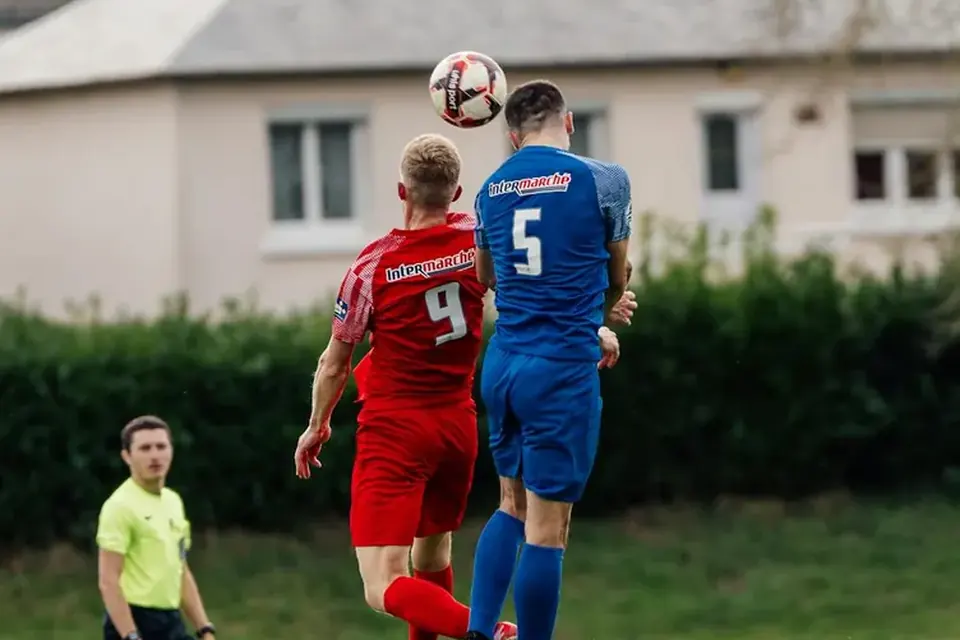
Aerial duels are contested headers between players from opposing teams, often from crosses, long balls, or set pieces. Liverpool defenders’ success in aerial duels is critical for preventing goals conceded from crosses and dead-ball situations. Strong aerial performance is a component of defensive solidity, particularly against physically imposing forwards.Set-Piece Defence
Set-piece defence encompasses the organization and execution of defending free kicks, corners, and throw-ins. Liverpool’s set-piece defence is a specialized area of training, aiming to minimize goals conceded from these predictable situations. Effective set-piece defence relies on zonal or man-marking systems and clear communication among Liverpool defenders.Defensive Midfielder
A defensive midfielder is a player positioned between the backline and the midfield, tasked with breaking up opposition attacks and protecting the defense. Liverpool’s defensive midfielders act as a shield for the back four, disrupting passing lanes and providing cover during transitions. Their role is central to maintaining clean sheets and controlling the tempo of matches.Full-Back Positioning
Full-back positioning refers to the starting and movement patterns of the left and right defenders. In Liverpool’s tactical system, full-backs often push high to support attacks, leaving space behind. Their positioning must balance offensive contributions with defensive responsibilities to prevent counterattacks and preserve defensive milestones.Centre-Back Partnership
A centre-back partnership is the pairing of two central defenders who develop understanding and coordination over time. Liverpool’s centre-back partnerships are crucial for defensive solidity, as they must cover for each other’s movements and communicate effectively. A stable partnership often correlates with improved clean sheet records and fewer goals conceded.Defensive Communication
Defensive communication involves verbal and non-verbal signals among Liverpool defenders, midfielders, and the goalkeeper to organize the defensive shape. Clear communication helps execute the offside trap, adjust to opposition movements, and coordinate set-piece defence. Breakdowns in communication often lead to goals conceded.Injury Resilience
Injury resilience refers to a team’s ability to maintain defensive performance despite injuries to key defenders. Liverpool’s defensive milestones can be affected by the absence of first-choice centre-backs or full-backs. Squad depth and the ability of backup players to step in without a drop in quality are measures of defensive resilience.Defensive Record
A defensive record is the cumulative statistical summary of a team’s defensive performance over a season or competition. It includes goals conceded, clean sheets, and other metrics. Liverpool’s defensive record is often compared to historical standards and rival clubs, serving as a benchmark for evaluating the effectiveness of the tactical system and individual players.What to Verify
When assessing defensive milestones for Liverpool FC, consider the following neutral verification points:
- Review official match statistics from Premier League and UEFA sources for clean sheets and goals conceded.
- Analyze defensive metrics such as pressing intensity and duel success rates through reputable football analytics platforms.
- Evaluate the impact of tactical adjustments, such as changes in the defensive line or midfield personnel, on overall solidity.
- Compare current defensive records to historical benchmarks within the club’s context, understanding that conditions vary across seasons.

Reader Comments (0)