

Champions League Tactical Breakdown
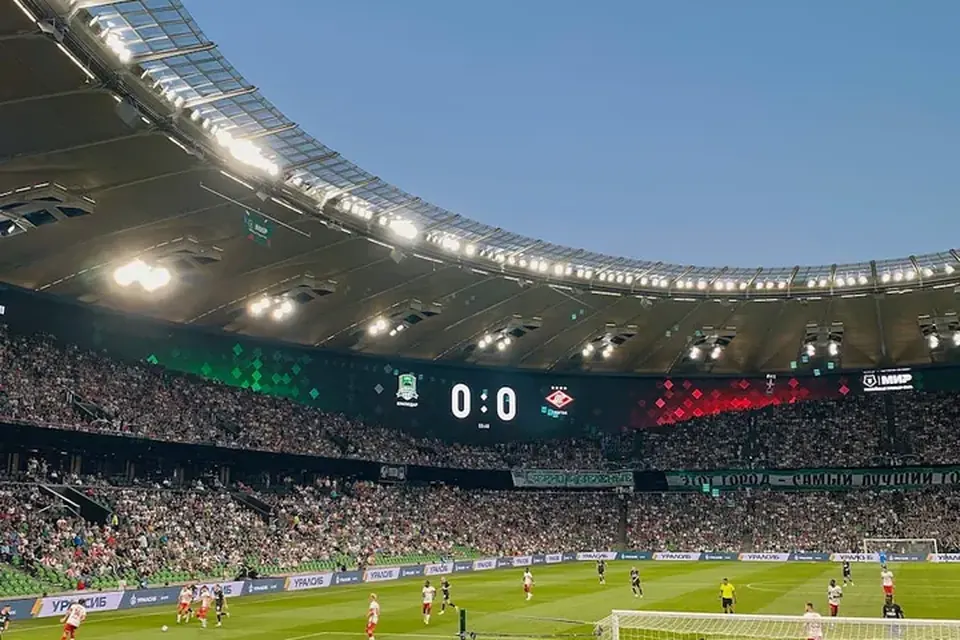
European nights at Anfield have always carried a certain weight, a sense of occasion that transcends the ordinary rhythm of a league season. When the Champions League anthem echoes around the stadium, the tactical chess match becomes as important as the raw emotion pouring from The Kop. For Liverpool FC, navigating the group stages and knockout rounds isn't just about talent—it's about how the Reds adapt their system to opponents who often sit deep, counter with pace, or press with coordinated intensity.
The Core System Under the Spotlight
Liverpool's tactical identity under the current head coach has evolved, but the foundational principles remain rooted in aggressive transitions and high-energy pressing. The 4-3-3 formation, when fully operational, relies on the full-backs providing width, the midfield trio controlling the second balls, and the forwards exploiting space behind defensive lines. In the Champions League, this system faces unique stresses.
Teams like Real Madrid or Bayern Munich don't fear Anfield's atmosphere; they come with their own tactical plans to nullify Liverpool's strengths. The key battleground often lies in the midfield. When the Reds midfielders can win the ball high up the pitch, the forwards—whether it's a poacher or a wide creator—get quick service. When they are overrun, the defence becomes exposed to rapid counter-attacks.
Defensive Vulnerabilities in European Competition
The high defensive line, a hallmark of Liverpool's approach, is both a weapon and a risk. In the Premier League, teams may not always have the precision to exploit it. In the Champions League, elite forwards like Kylian Mbappé or Erling Haaland thrive on those gaps. The Reds defenders must maintain exceptional concentration, because one mistimed step can lead to a one-on-one with the goalkeeper.
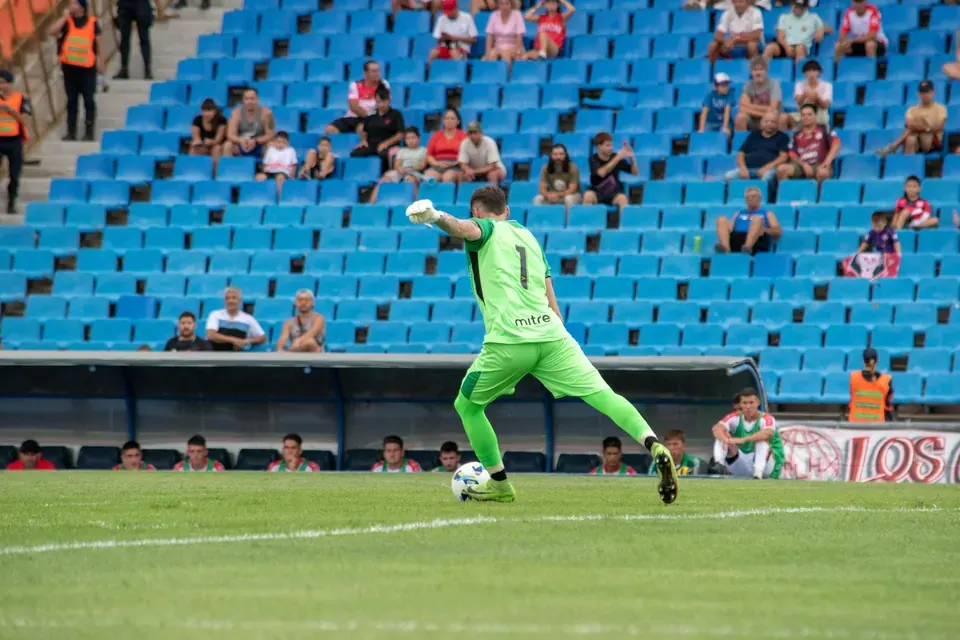
Set pieces also become a critical factor. European opponents often spend hours analysing Liverpool's zonal marking system. A well-rehearsed corner routine or a cleverly disguised free kick can undo all the good work in open play. The goalkeepers, therefore, face a dual challenge: commanding the box against aerial threats and distributing quickly to start counter-attacks.
Midfield Dynamics and Ball Progression
The midfield trio's ability to progress the ball through the thirds determines Liverpool's control of the game. Against a low block, the Reds need players who can receive the ball under pressure, turn, and find a forward pass. The full-backs, traditionally the primary creators, often find themselves man-marked in European ties. This forces the midfielders to take on more creative responsibility.
If the opposition presses Liverpool's build-up, the centre-backs must be comfortable playing out from the back. Any hesitation leads to turnovers in dangerous areas. The tactical system relies on quick, decisive passing to bypass the first line of pressure. When it works, the forwards receive the ball in stride. When it breaks down, the team invites pressure.
Attacking Patterns and Finishing
Liverpool's attack in the Champions League often hinges on the ability to create overloads in wide areas. The forwards drift inside, pulling defenders out of position, while the overlapping full-back provides the cross. The midfielders then arrive late in the box to capitalise on cutbacks. This pattern requires precise timing and understanding.
However, European defences are organised. They rarely leave space in the centre. The Reds must be patient, moving the ball from side to side to stretch the opposition. The forwards need to combine quickly, using one-touch passes to unlock the defence. When the system clicks, it produces moments of brilliance that define Liverpool's European legacy.
Risk Management in Knockout Ties
Knockout football adds a layer of psychological pressure. A single mistake can end the campaign. Liverpool's tactical approach must balance aggression with caution. In the first leg, away from home, the Reds often aim for a result that keeps the tie alive—a score draw or a narrow win. The second leg at Anfield becomes a tactical battle of nerve.
The head coach must decide when to press and when to conserve energy. Champions League ties often stretch into extra time, making substitutions and squad depth crucial. The players on the bench must be ready to change the game, whether by adding defensive solidity or injecting fresh attacking impetus.
Comparative Tactical Analysis
| Aspect | Liverpool Strength | Potential Weakness |
|---|---|---|
| High Press | Forces turnovers in advanced areas | Leaves space behind for quick counters |
| Full-Back Overlap | Creates width and crossing opportunities | Exposes defence when possession is lost |
| Midfield Transition | Quick ball progression to forwards | Vulnerable to being outnumbered in central areas |
| Set Piece Defence | Well-drilled zonal system | Can be exploited by clever routines |
| Attacking Fluidity | Unpredictable movement in final third | Requires high technical precision |
The Role of Anfield and The Kop
The atmosphere at Anfield is a genuine tactical advantage. Opposition players often struggle to communicate, and referees can be influenced by the noise. The Kop's energy lifts the Liverpool players, pushing them to press harder and run further. In tight European ties, this marginal gain can be the difference between progression and elimination.
But the crowd also expects a performance. If Liverpool start slowly, the anxiety can spread. The players must channel the energy positively, using it to fuel their tactical discipline rather than becoming rushed in possession. The best European nights under the lights are those where the system and the supporters synchronise perfectly.
Liverpool's Champions League tactical breakdown reveals a team built on high-risk, high-reward principles. The system thrives on intensity, precision, and collective understanding. But in Europe, where margins are razor-thin, every detail matters—from the goalkeeper's distribution to the forward's movement off the ball. The Reds must adapt, learn, and execute. When they do, Anfield becomes a fortress. When they don't, the competition exposes every flaw. For Liverpool fans, the journey is everything, and the tactical evolution continues with every European campaign.


Reader Comments (0)